Define the needs
Who will use the playground, how many, what ages and when? Is it open to the public? What are your goals: recreation, learning, community? These answers shape every later decision.
Gather input from staff, parents, neighbors and children.
Budget and funding
Set a realistic budget that includes equipment, surfacing, site work, shade, fencing, seating and installation. Look at grants, fundraising and phased builds.
Plan for maintenance as part of the long-term cost.
Site and layout
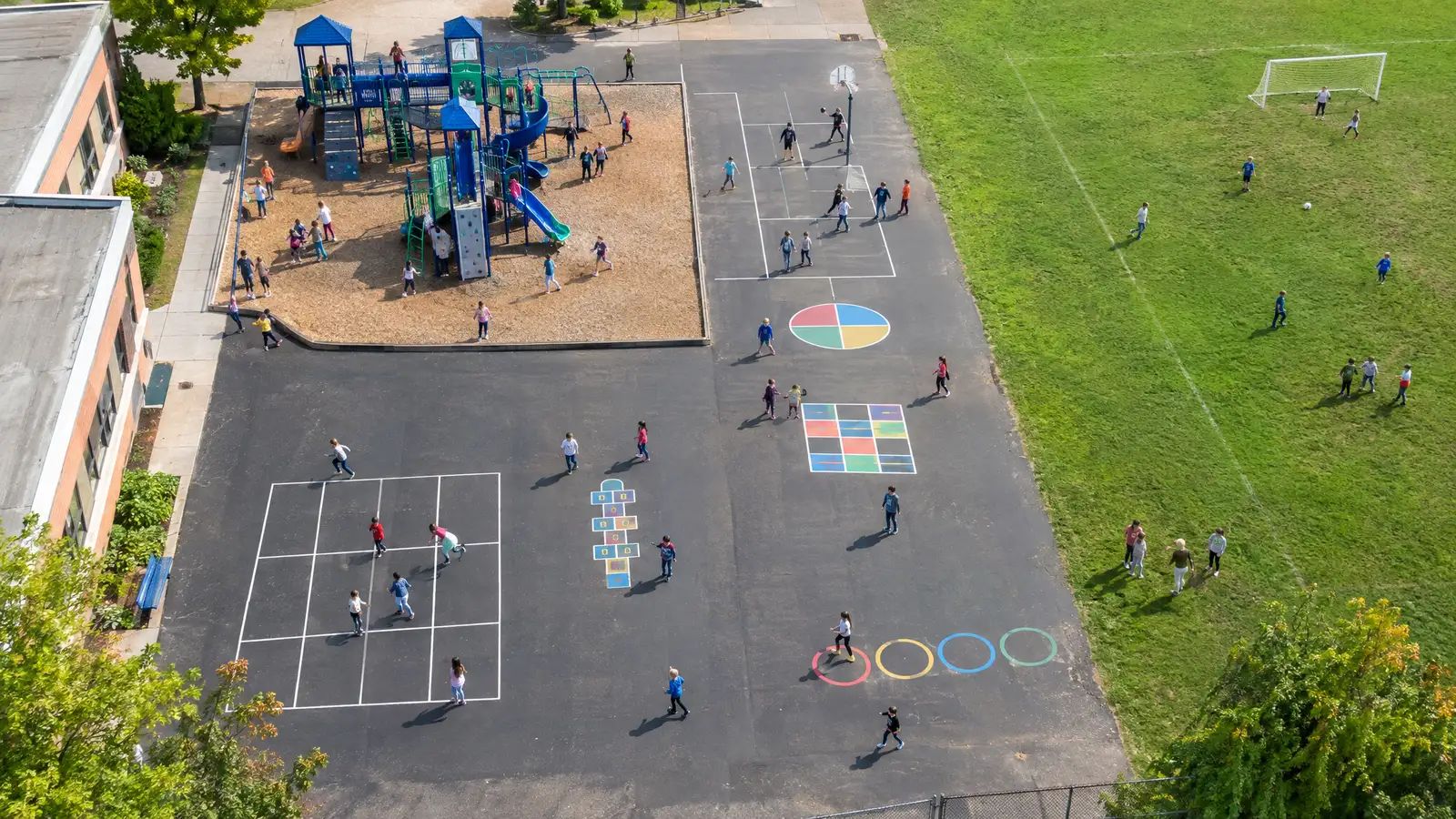
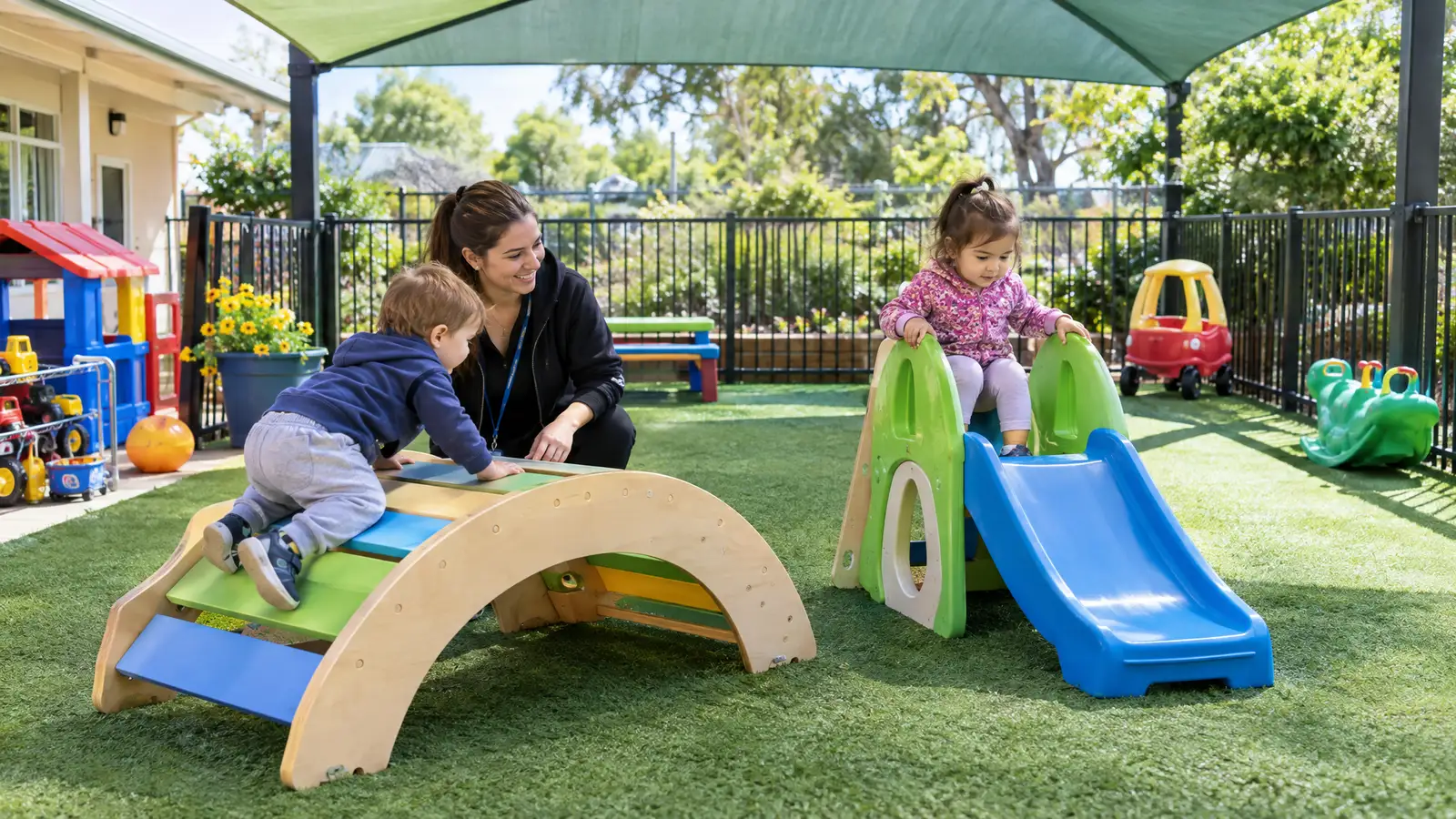
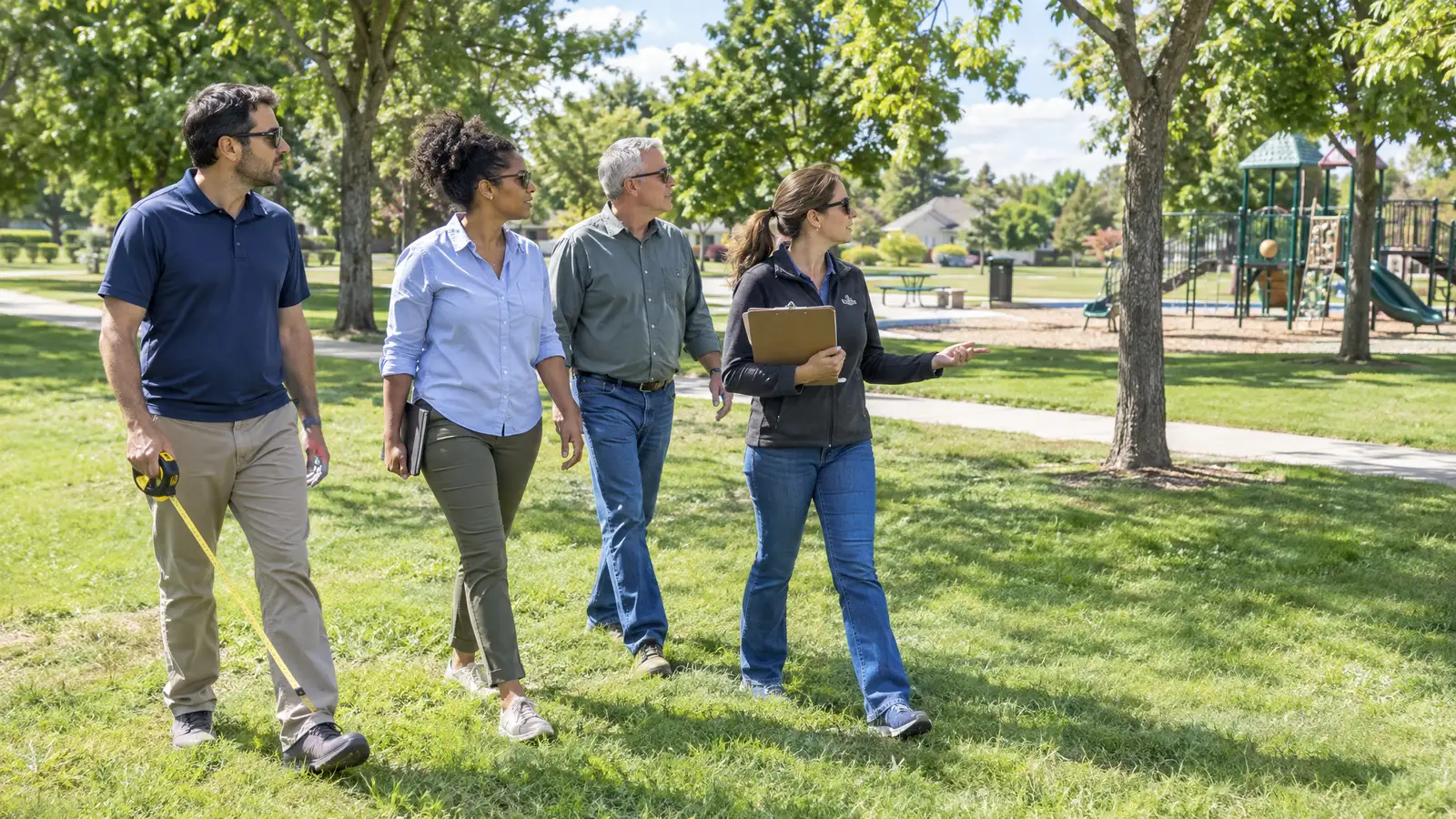
Walk the site and note slope, drainage, utilities, access, sun and sightlines. Separate zones by age. Provide accessible routes and room for supervision.
Think about parking, entrances and the relationship to buildings.
Equipment and surfacing
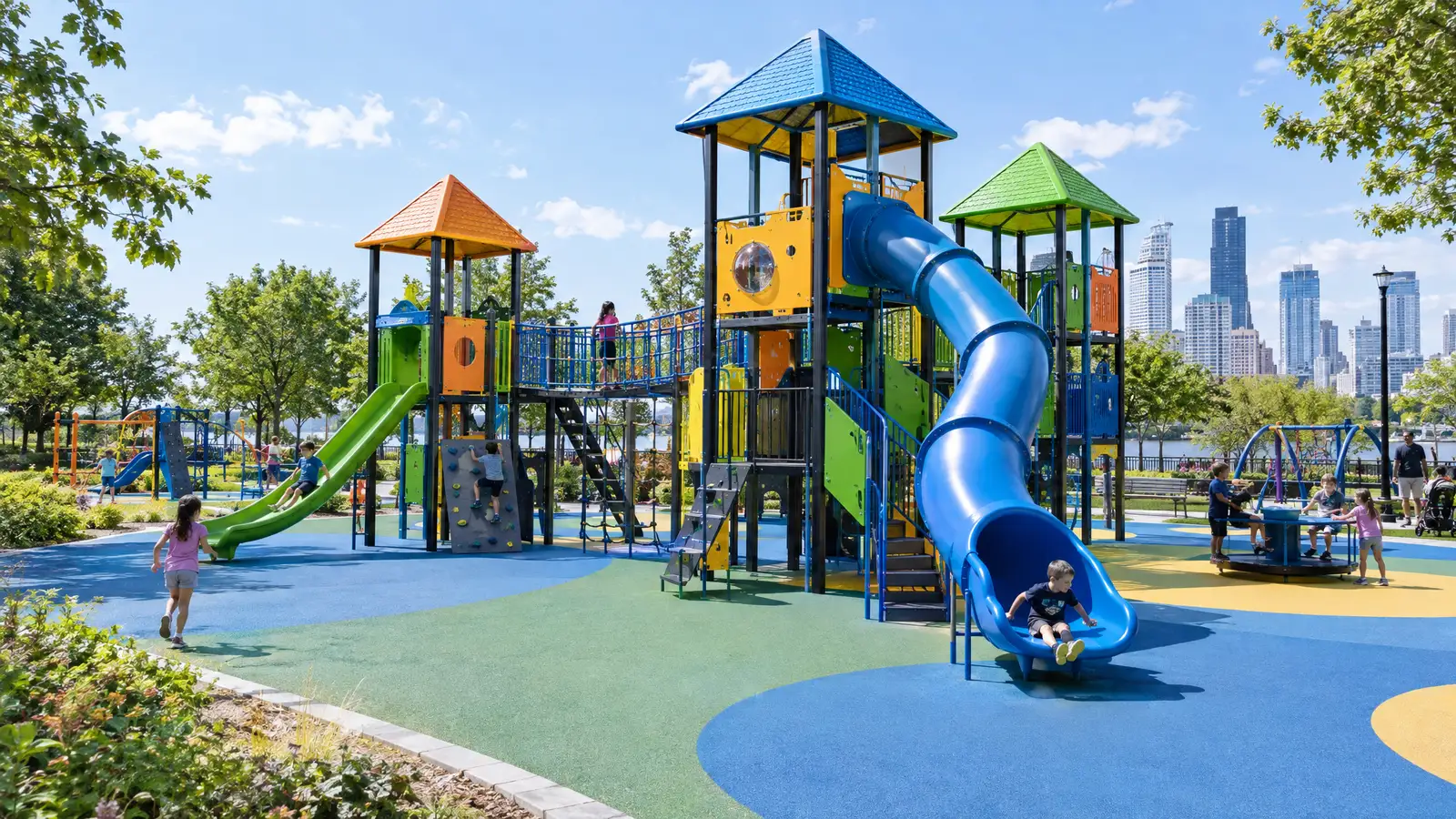
Choose commercial-grade equipment built for heavy use and matched to the ages. Pick a surface that suits the budget and accessibility needs. Include shade and seating.
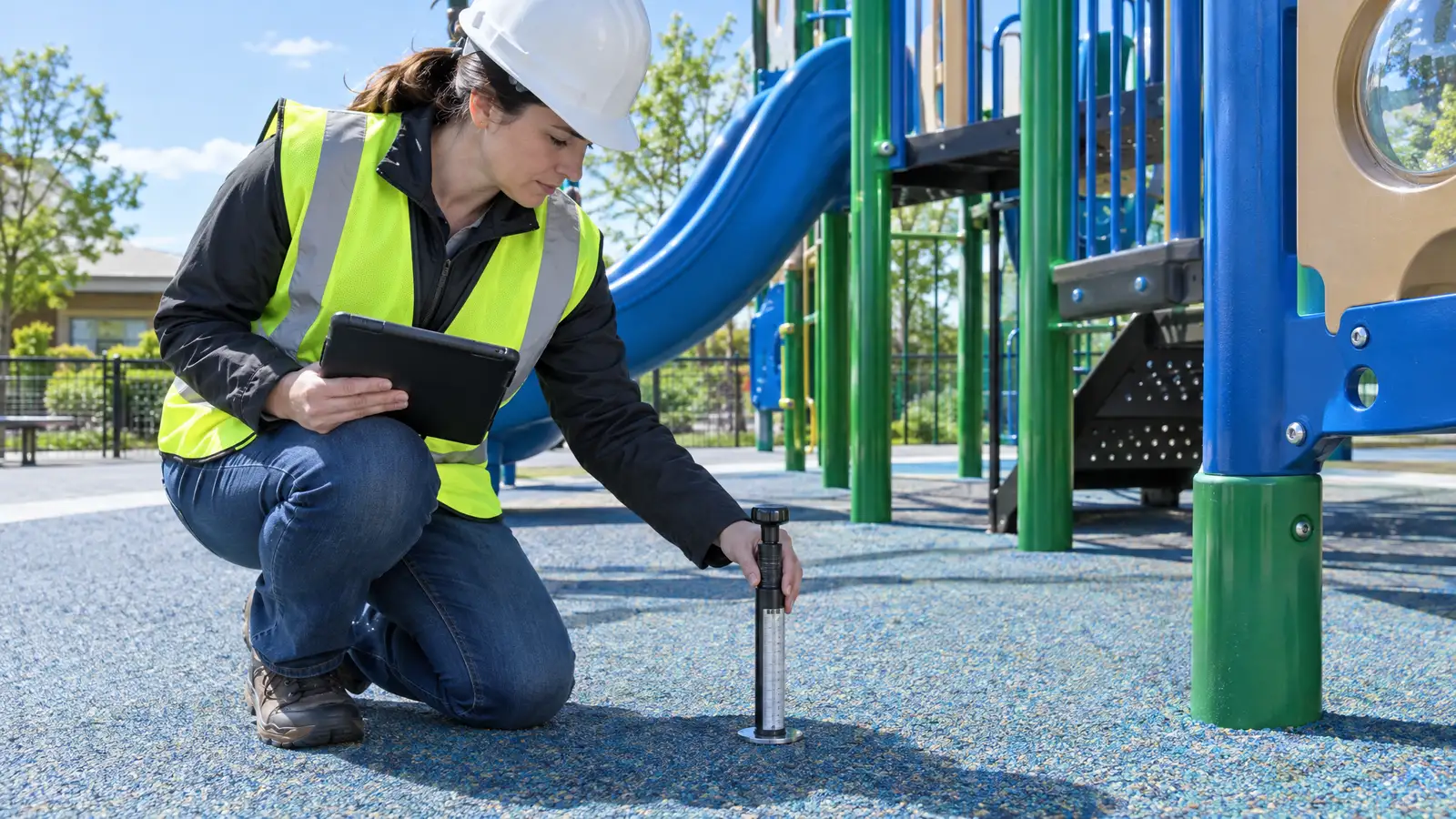
Standards and local rules may apply.
Install, open and maintain
Plan installation timing around the school year or events. Have a plan for inspection, cleaning and repairs. Assign someone responsibility for daily checks.
A ribbon-cutting is a nice way to celebrate.
Get everyone in the room
Early meetings with staff, parents, maintenance, administrators and children reveal needs that a drawing alone would miss. Take notes on the biggest problems with the current space.
A clear shared goal helps all later decisions.
Plan for approvals
Public and institutional projects often require bids, approvals, insurance review and accessibility checks. Build time for them into the schedule.
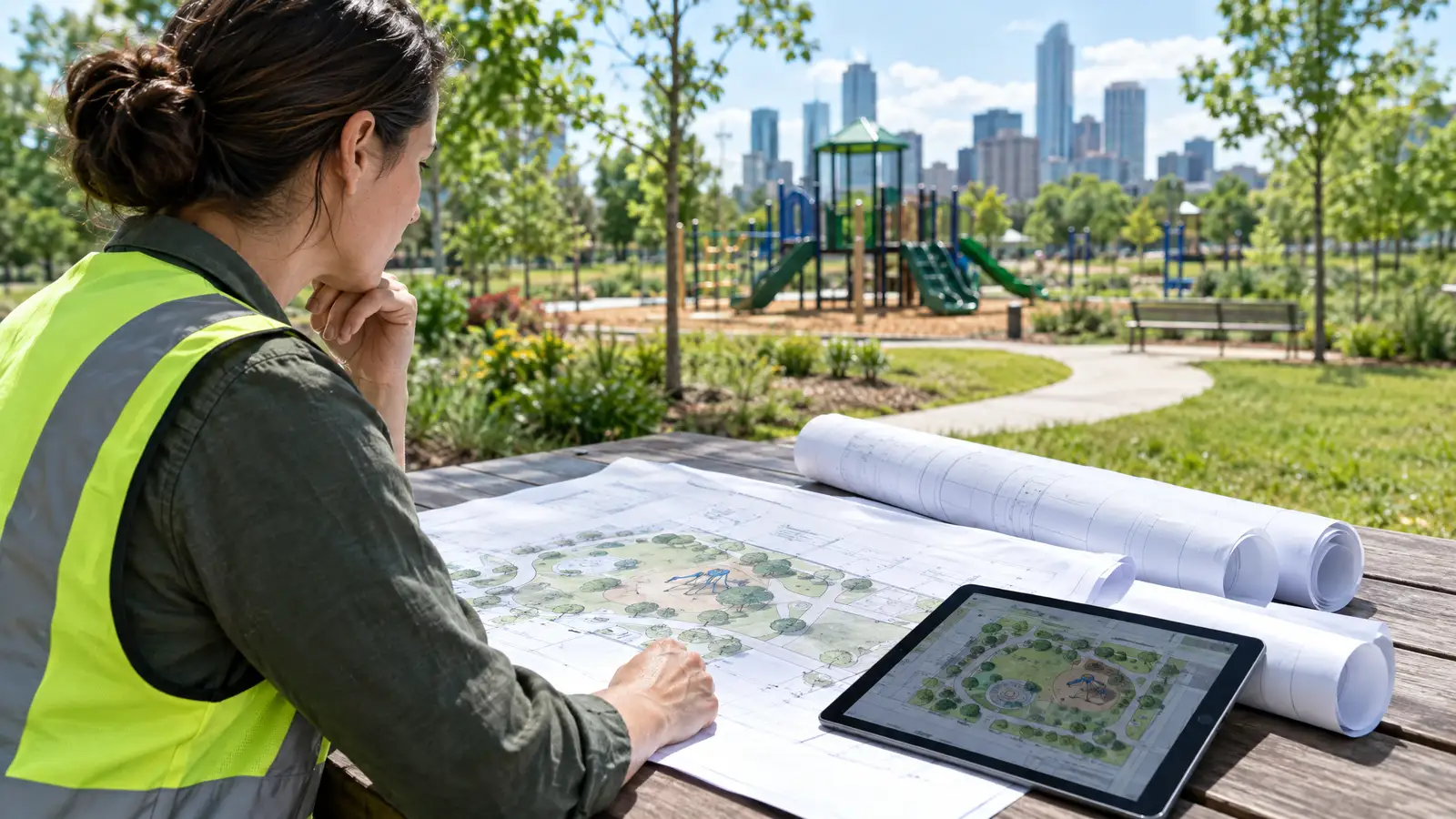
We can provide drawings and specifications to support the process.
Quick answers
How long does a commercial playground project take?
It depends on approvals, equipment lead times and the site. We give a schedule in the proposal.
Can we build it in phases?
Yes. A phased plan is common for schools, churches and HOAs.