Know your students
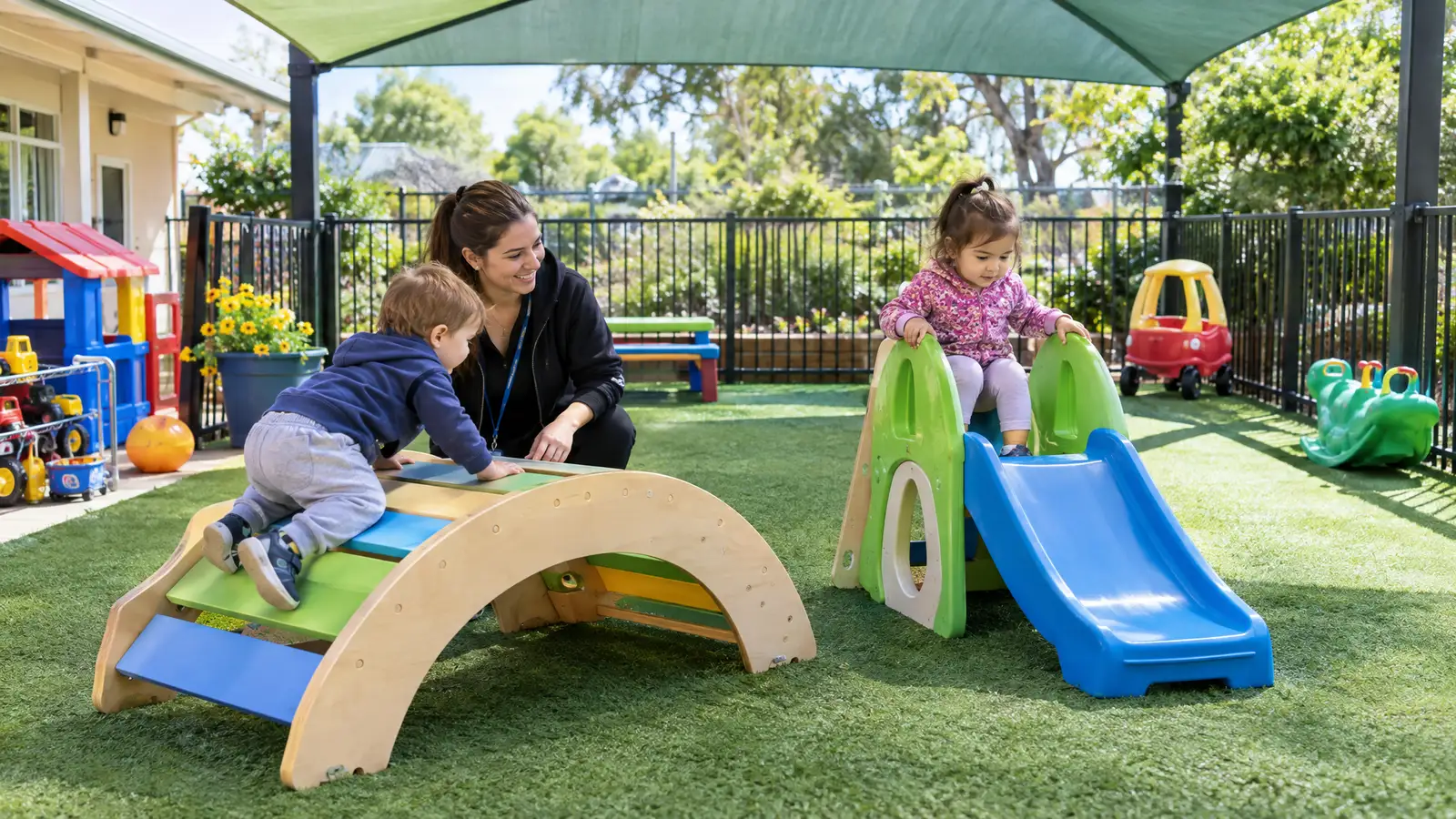
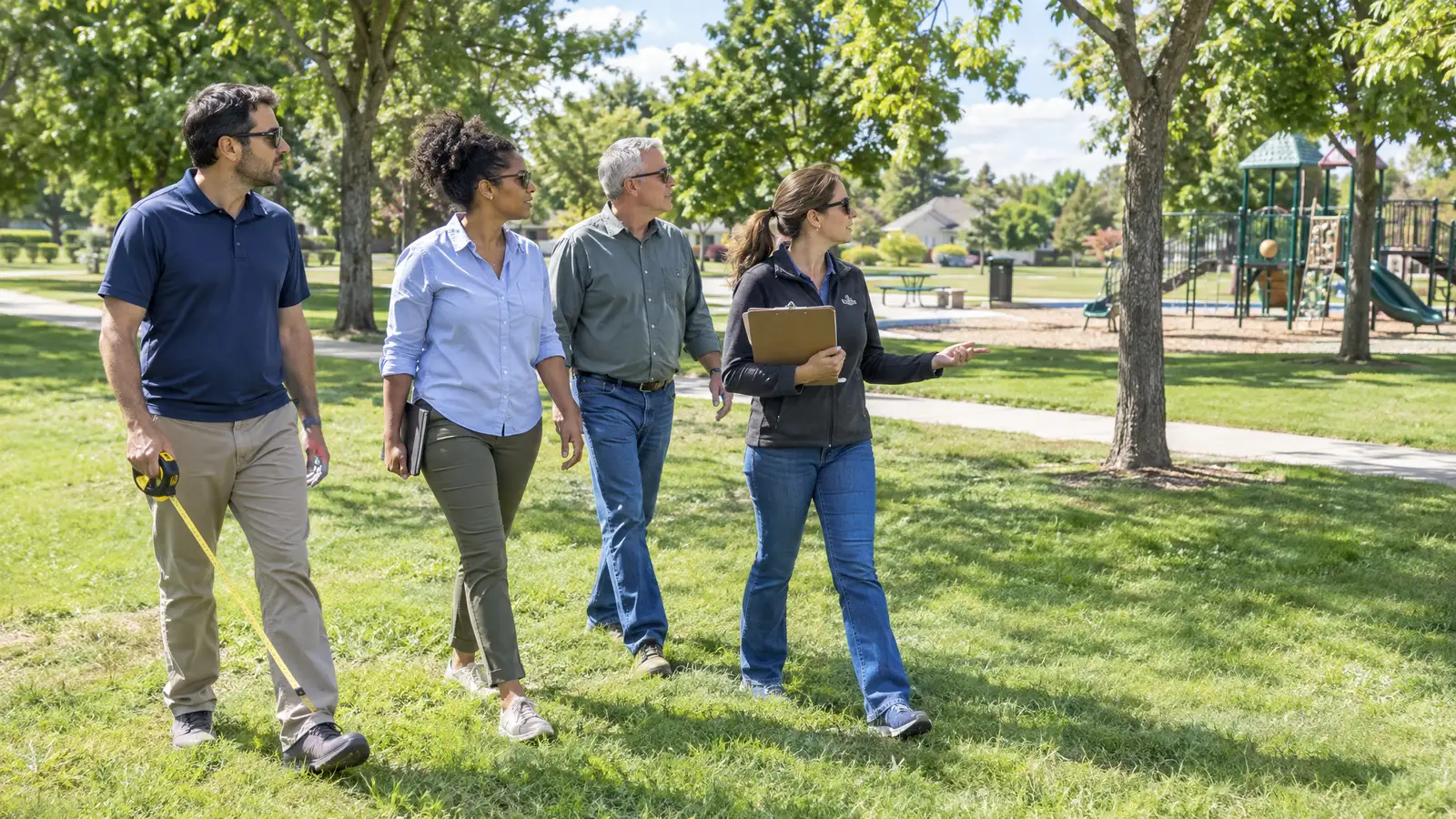
Count the number of students at recess at once, their ages and any accessibility needs. Younger and older students need different equipment and separate areas where possible.
Ask teachers what works and what does not about the current space.
Zones and flow
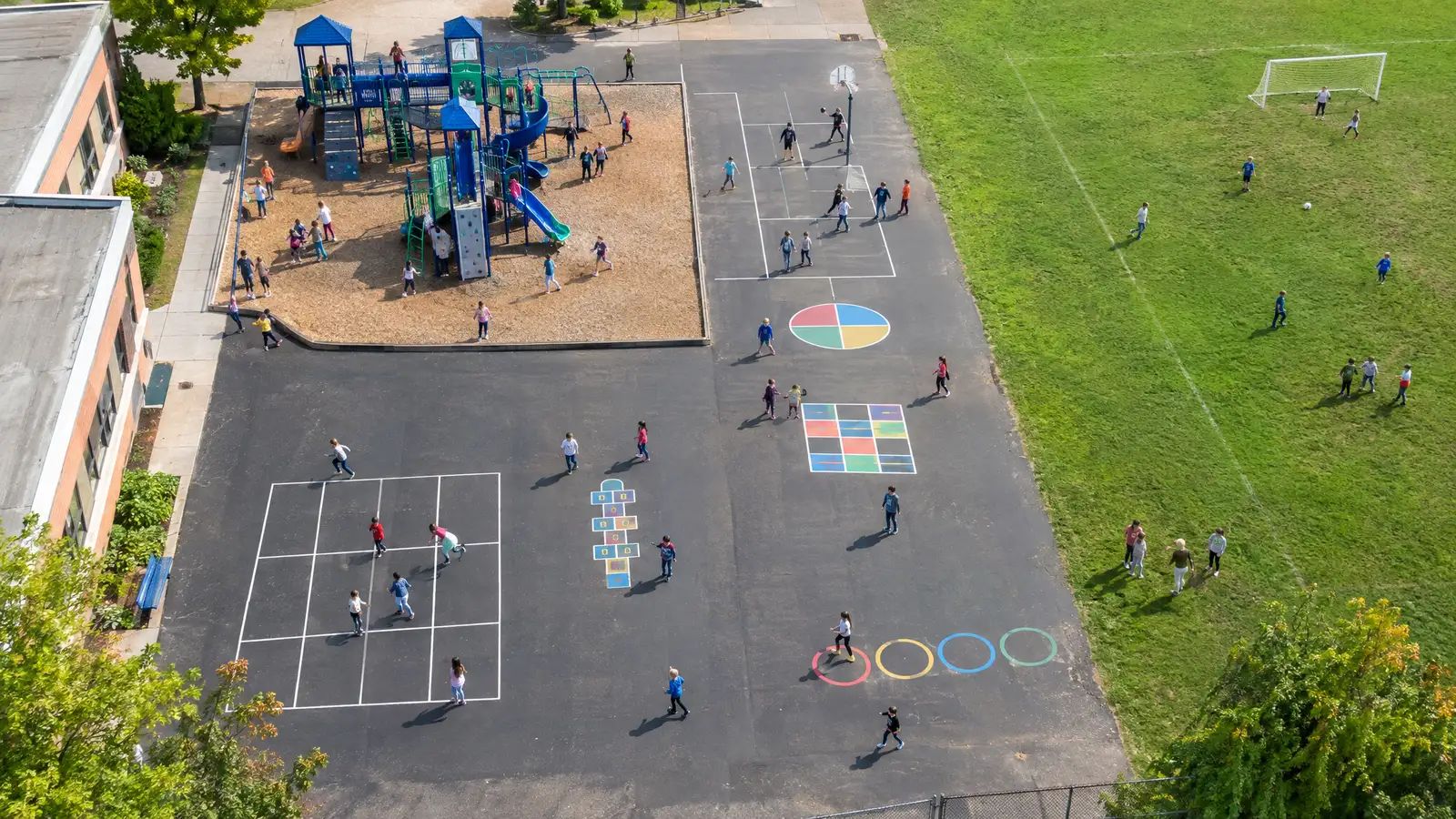
Create zones for active climbing, quiet play, games and gathering. Keep high-energy areas away from quiet ones. Make sure children can move around without crossing swing or slide paths.
Mark game lines on blacktop for extra play value.
Supervision
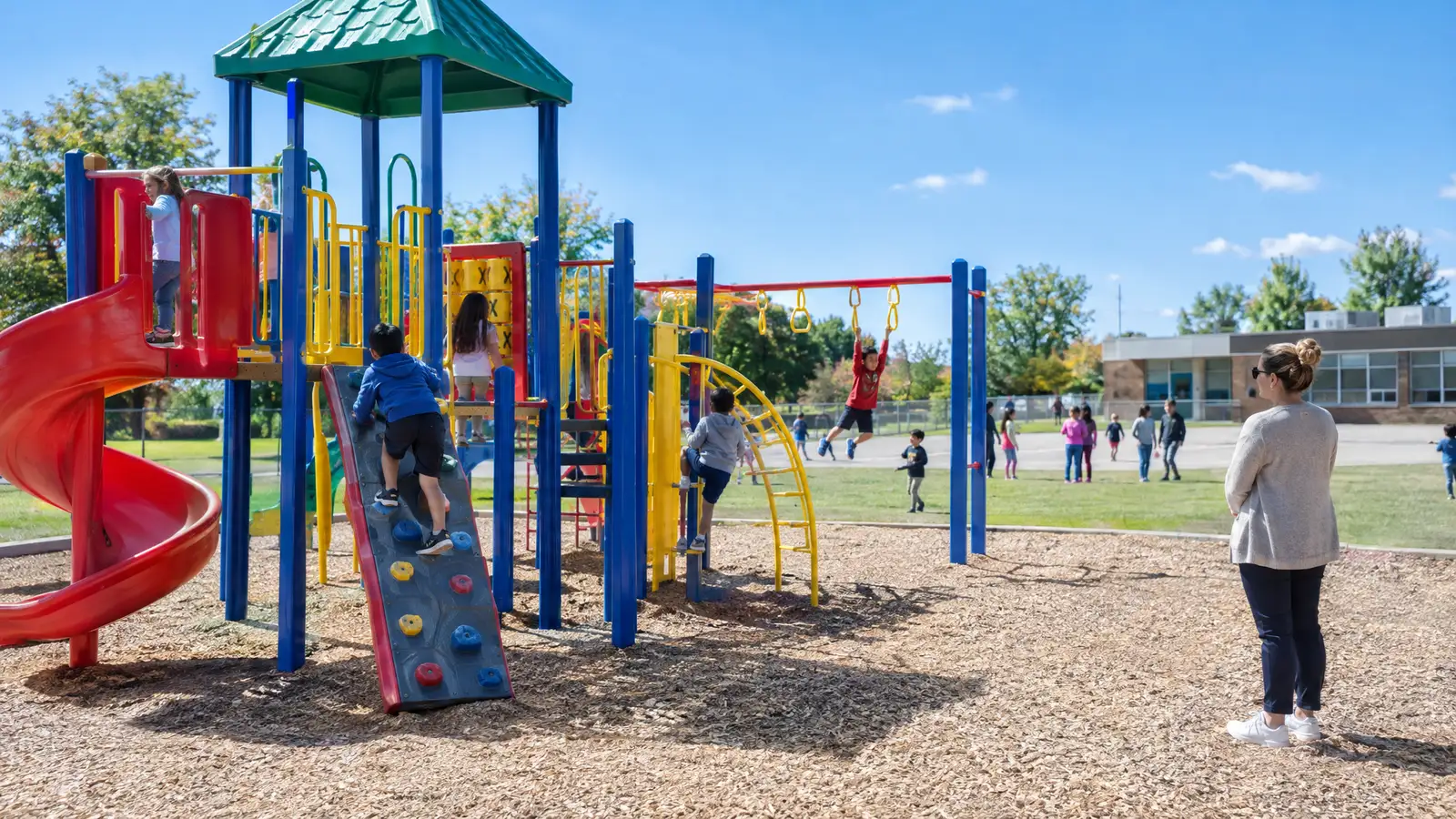
Open sightlines let teachers see all areas. Avoid hidden corners. Place seating and shade where adults can use them.
Fencing and gates define the space.
Funding and phases
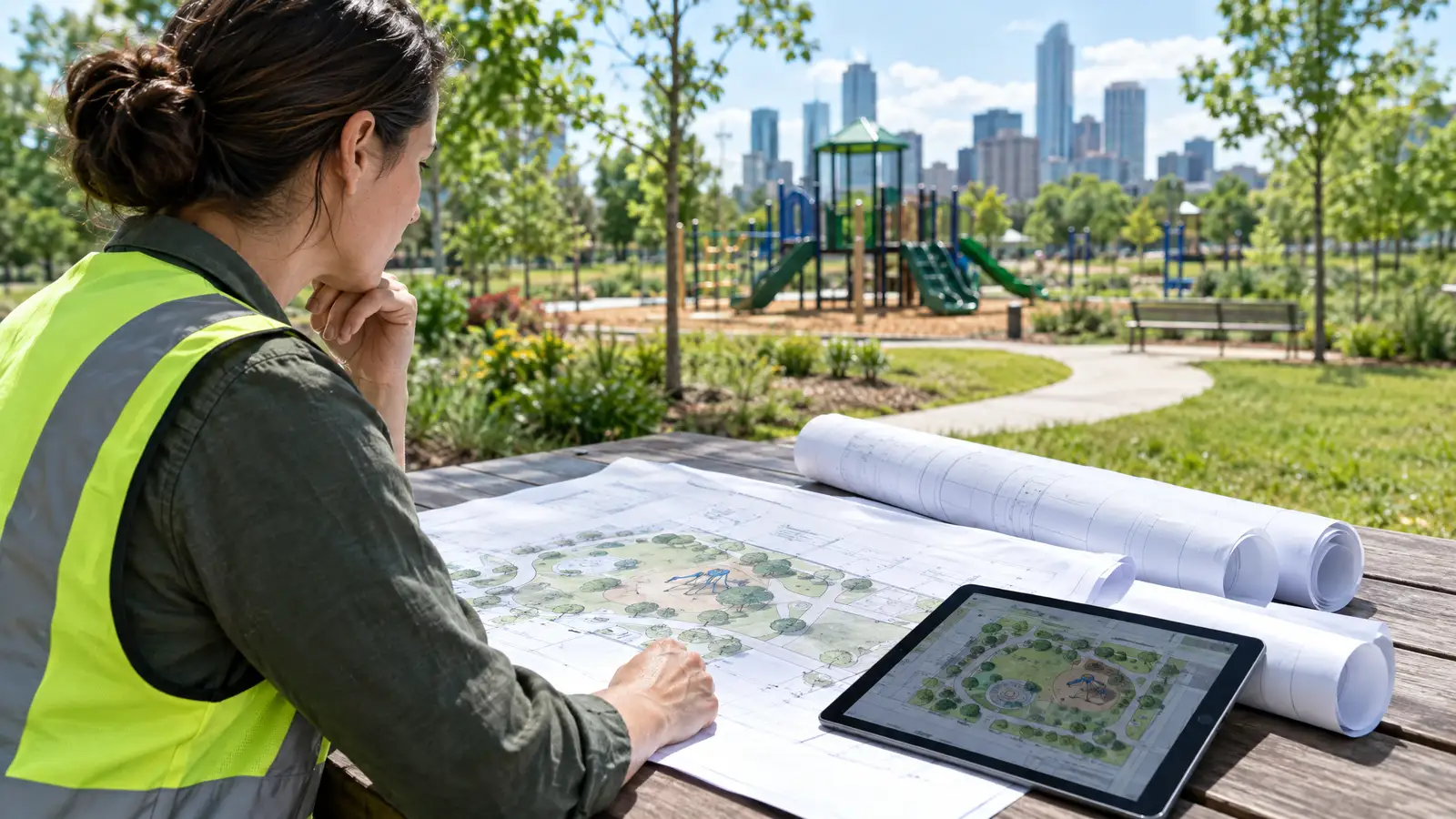
Many schools mix PTA fundraising, grants and district funds. A phased plan lets you build a core structure first. We provide clear scope and cost options for each phase.
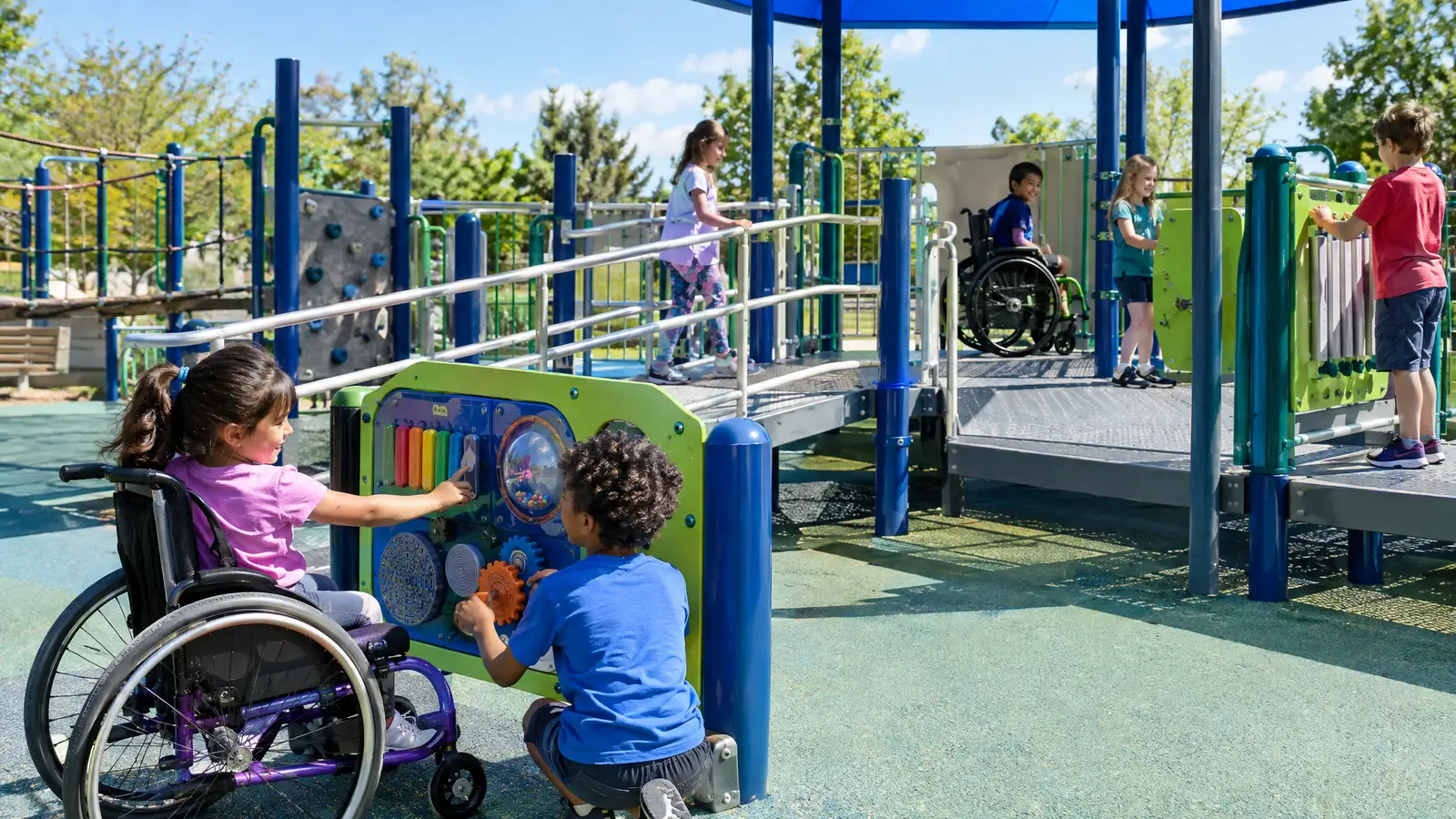
Plan surfacing and accessibility from the start.
Care and rules
Set up daily checks by staff and a periodic professional inspection. Teach safe play rules and post them near the playground.
Keep records of inspections and repairs.
Involve the students
Ask children to draw their dream playground, vote on features or help name areas. Their ideas are often practical, and being included builds ownership.
Keep a short list of the most requested features and compare it to the budget.
Keep recess running
Plan construction around the school calendar, fence the work area and communicate schedules to families and staff. Summer break is ideal but not the only option.
A temporary play area can keep recess going.
Quick answers
When is the best time to install?
Summer break is common, but we can work around your schedule.
How do we involve students?
Surveys, drawings and votes on features are a fun way to include them.