Strength and coordination
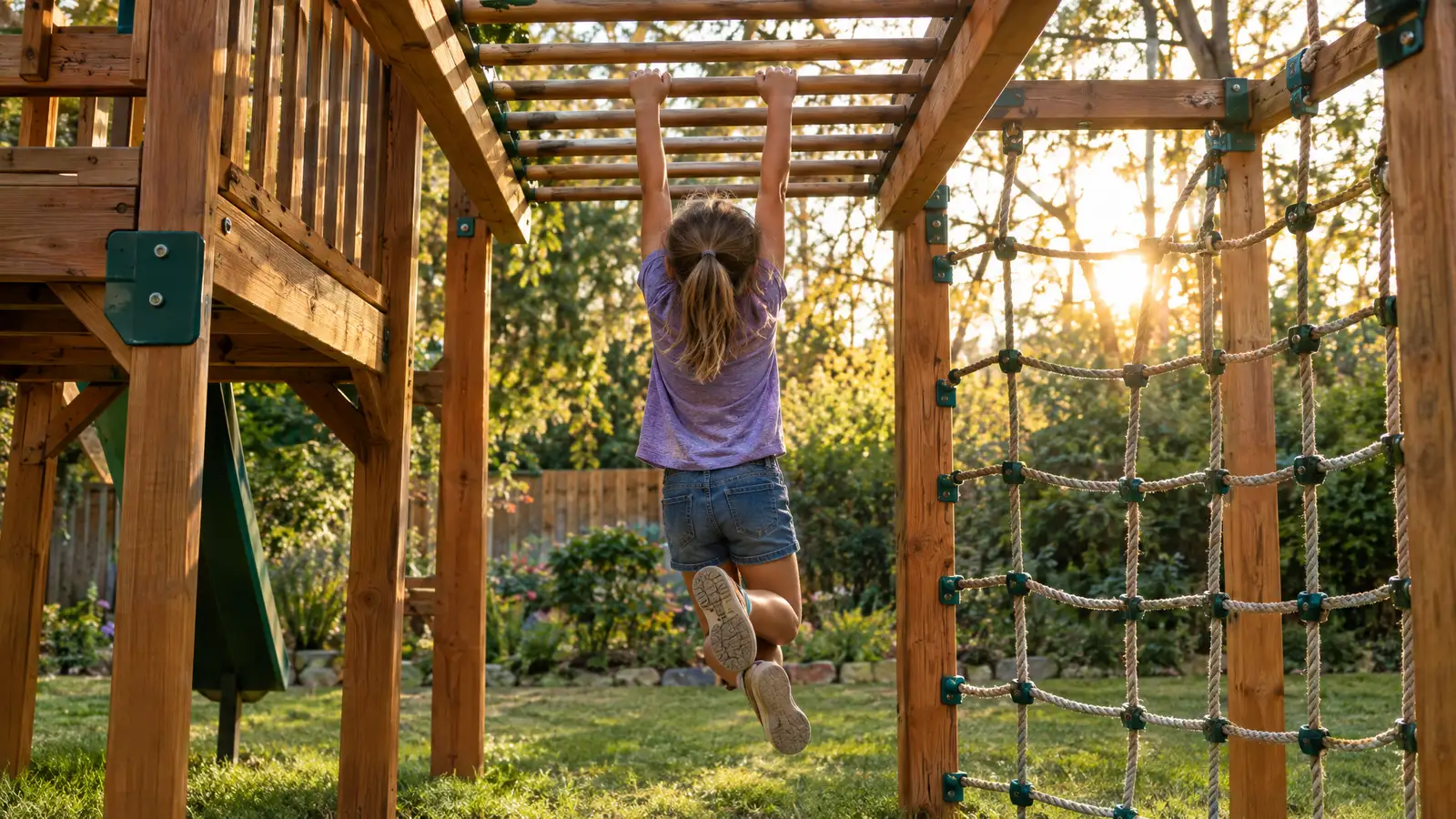
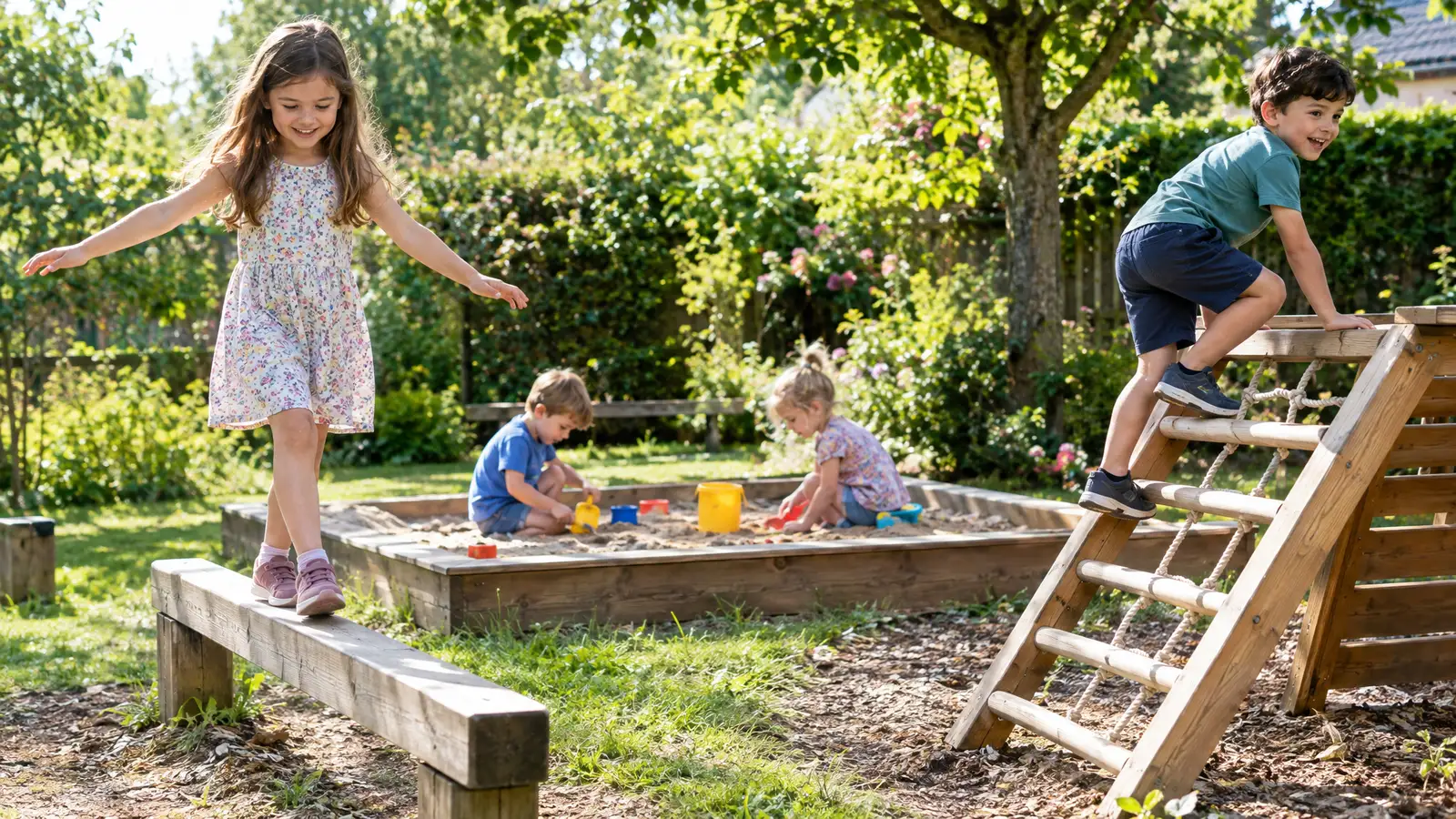
Climbing, hanging and balancing build muscle and coordination. Swinging teaches rhythm and body awareness. Running and jumping build heart and bone strength.
Children who play actively tend to enjoy movement later in life.
Thinking and creativity
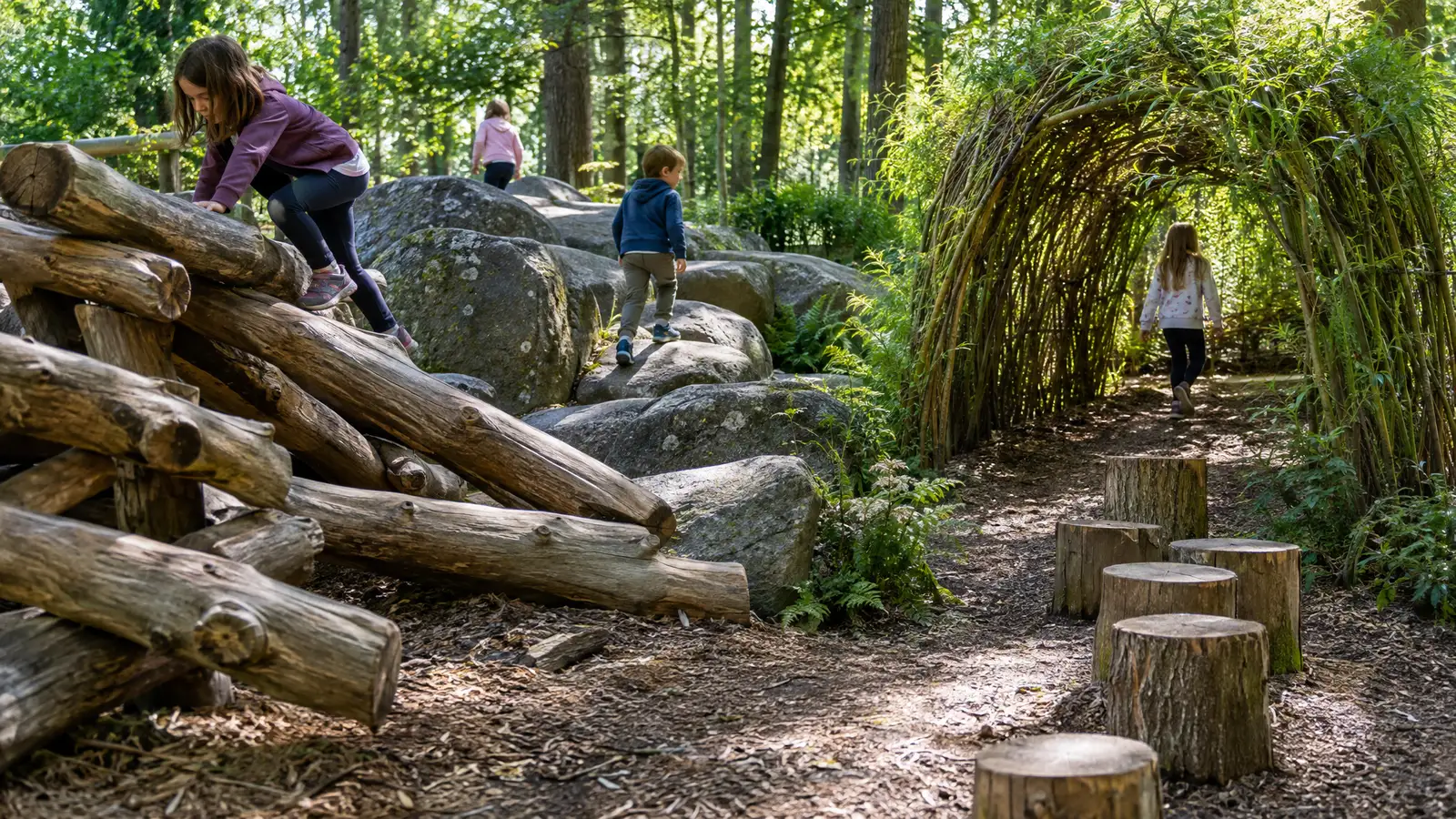
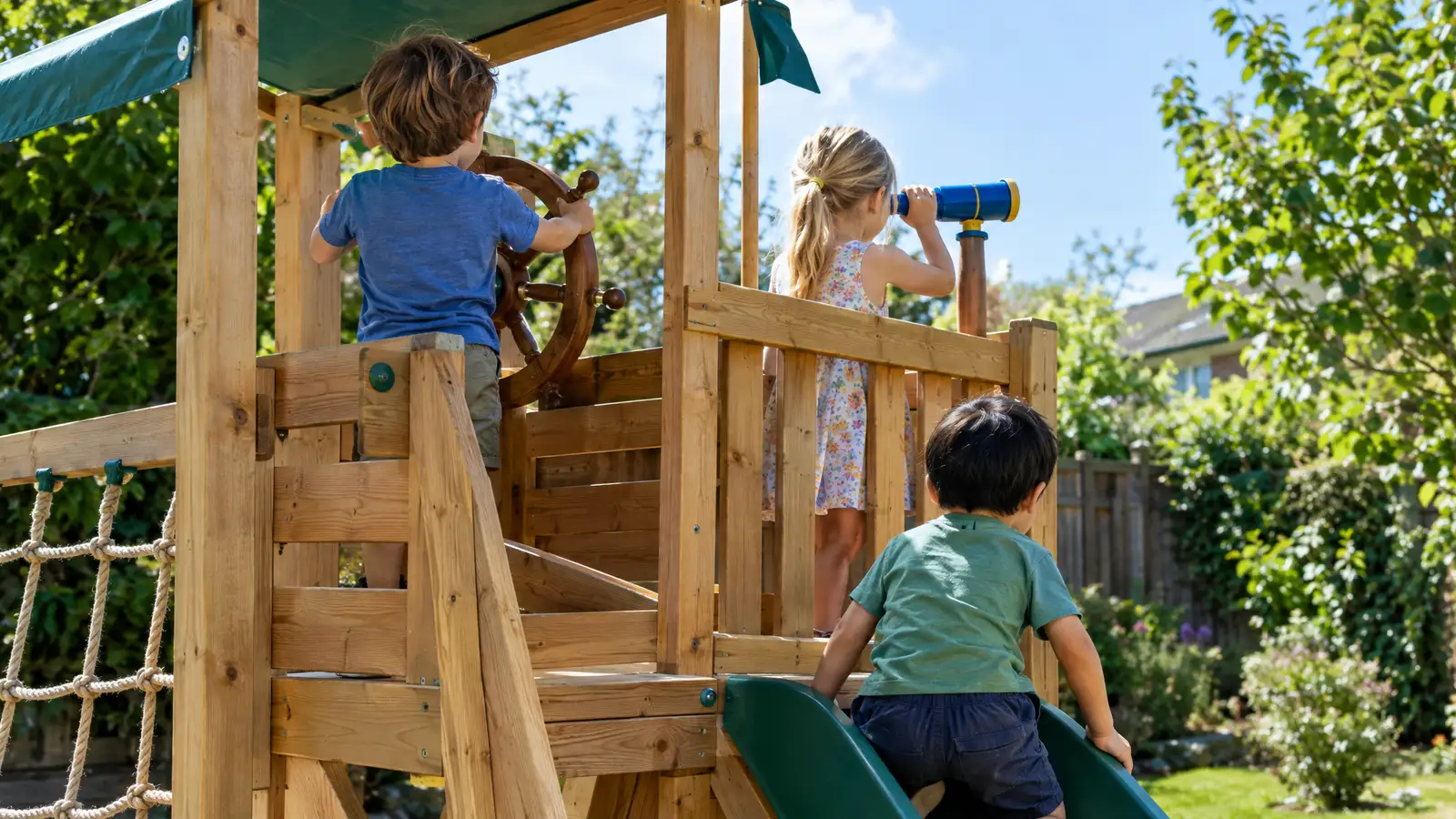
Pretend play and building with natural materials grow imagination and problem-solving. Figuring out how to cross a bridge or climb a wall is a mental puzzle.
Open-ended play spaces are especially good for creativity.
Social skills
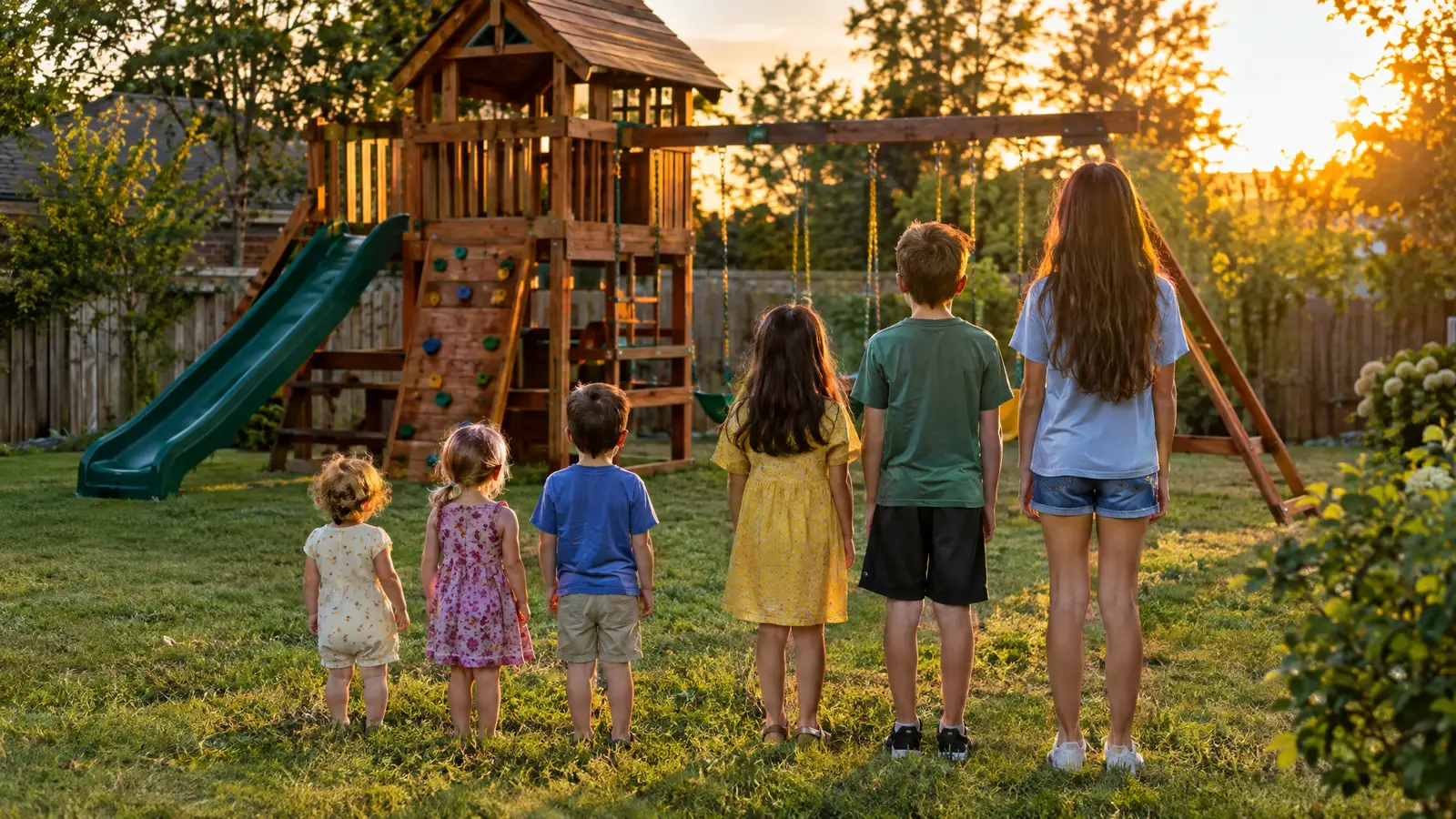
Taking turns, negotiating rules and cooperating on a game all happen on a playground. Siblings and friends learn to share space and ideas.
Mixed-age play teaches patience and leadership.
Risk and resilience
Age-appropriate challenge helps children learn limits and build confidence. A little risk, managed with good design and supervision, is part of healthy play.
The goal is to remove serious hazards, not every challenge.
Calm and well-being
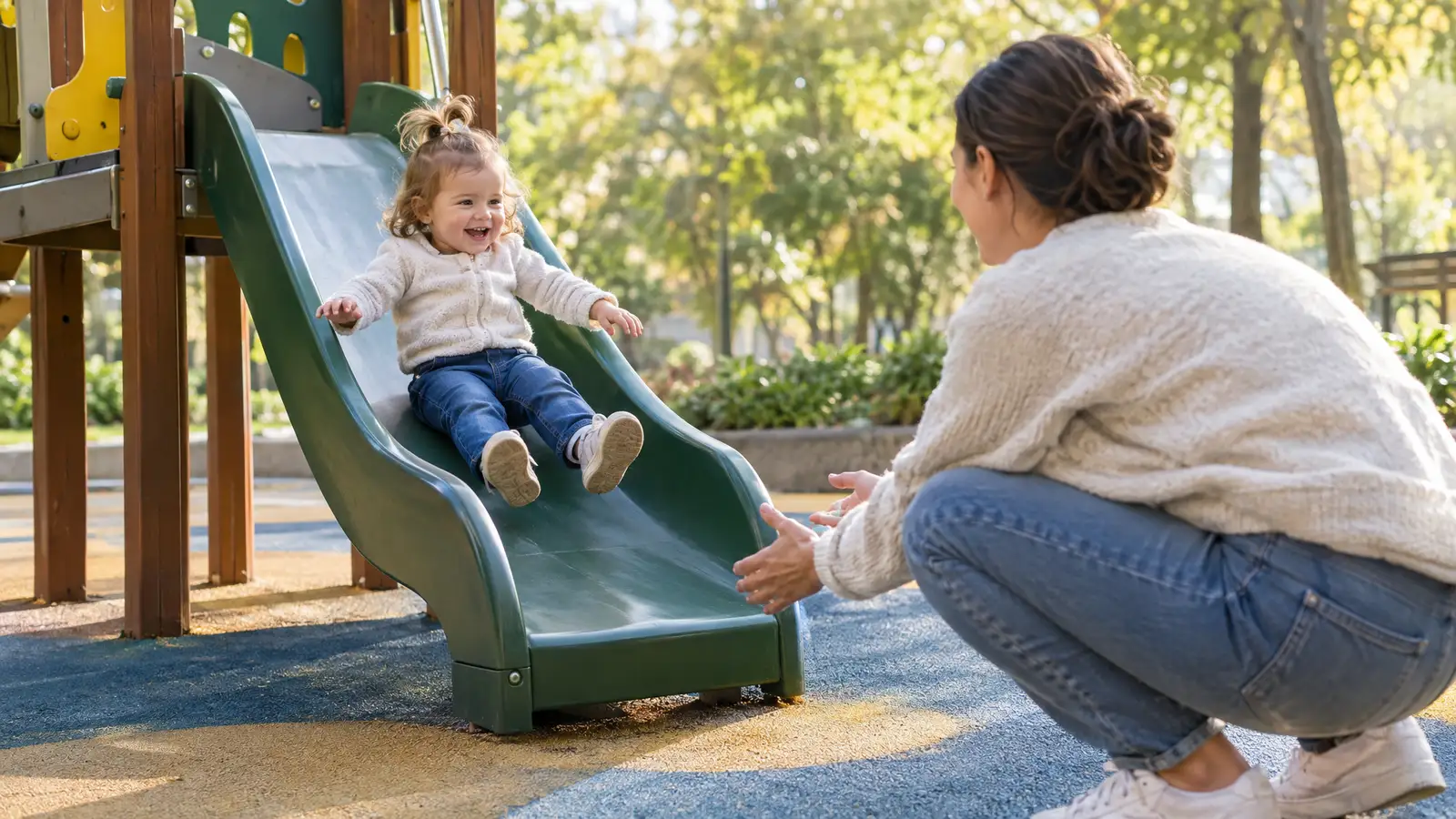
Time outdoors can ease stress, improve sleep and give kids a break from screens. A backyard playground makes outdoor time an easy daily habit.
It also gives families a place to spend time together.
Make outdoor play easy
Children play outside more when it is easy: a gate that is easy to open, shade, a place for adults to sit and equipment that invites many kinds of play. A backyard playground removes the planning from play.
The easier it is, the more often it happens.
Mix structure and free play
Fixed equipment gives a base of climbing, swinging and sliding. Open-ended parts such as sand, water, loose parts and natural materials invite creativity.
A good yard includes both.
Quick answers
How much outdoor play do kids need?
Health organizations encourage daily active play. A backyard playground makes it easy.
Does play equipment really matter?
It gives kids more ways to move and imagine. The best equipment suits their ages and interests.